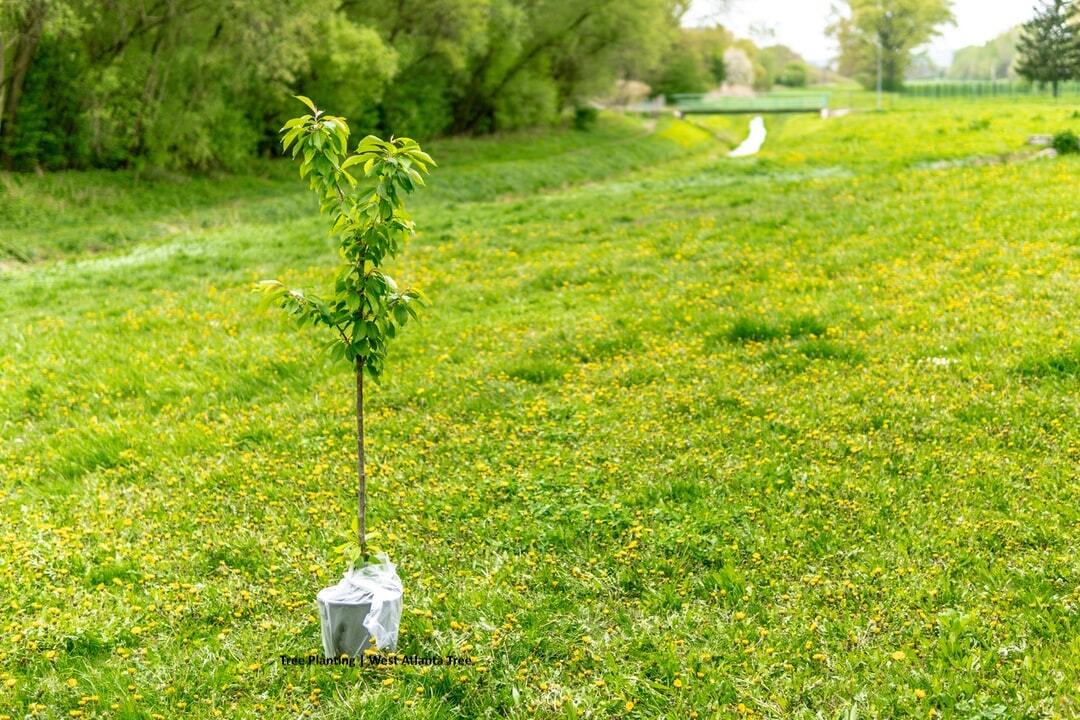
What kind of tree should you plant?

West Atlanta Tree • July 30, 2021

Tree Removal - What next?  Replace it!

Replacing a removed tree in Carrollton Ga

We see a lot of people are starting to plant trees in their backyards in Carrollton, Douglasville and Newnan GA as we ride around the area.. It's an awesome way to add a little life and beauty, while also helping the environment. But what kind of tree should you plant? That depends on your climate and soil type! Here is a list of some great trees for different climates:  •Evergreen trees--live year round, don't need much water or care. Great for cold climates with dry winters! Examples: Pines (Norway, Scotch), Spruce (Colorado Blue) •Deciduous Trees--need more watering but provide shade in summer months(generally warm). Examples: Oaks (White/Red), Maples (Silver), Beech, Birch.


1. When should you plant a tree

We know that trees are useful for so many reasons, but one question we often get from customers is when they should plant a tree. We always recommend planting them in the fall before winter sets in because it gives time to prepare and make sure your new addition will have everything it needs. But if you do decide to wait until springtime, be prepared with some extra work like mulching around its base or even fencing off an area of soil where rabbits can't reach their favorite food source!


2. What type of trees are best for your area

Since we're in the West Georgia area (Carrollton, Douglasville, Newnan, etc), tree types will be different than if you lived up north. For example, most people are used to seeing evergreens like pine trees and spruce trees all year round at Christmas time!


Different climates call for different species of plants because they need specific environmental conditions to survive. This is why it's important to know what type of environment your area has before picking a certain plant or tree like thing with leaves that would grow there best- wouldn't want anyone getting an invasive weed instead of their prize flowering vine...


3. How to choose the right tree for you

It's always a good idea to do your research beforehand. First, you need to decide if the tree will be in full or partial sunlight during most of its day-time hours; this is important for both how often it'll have water and what type of soil conditions it needs (e.g., acidic versus alkaline). Second, you should know about the specific size requirements: height, width at ground level on any given side/corner that may restrict growth options due to close neighbors' yards nearby? Thirdly -- considering space limitations such as backyard fences--you might want tall trees like maples but not so much with smaller ones because they can grow massively outwards over time & take up valuable garden real estate unless their


4. A list of different types of trees and their benefits

We all have that one tree we love to hug. You might just not know it yet! To help you with your decision, here are a few types of trees and their benefits: 


1) The oak is good for woodworking because its trunk has long straight branches which can be used in making tables or chairs; they also provide an excellent habitat for wildlife such as owls or deer when the leaves fall off during autumn. 2) If you want something more leafy I recommend planting either a maple, ash, elm or poplar - these species thrive well on less fertile soil where other plants may struggle by having deep roots and shedding vast amounts of leaves each year to renew nutrients into the earth below them before winter arrives


5. Tips on how to care for your new tree!

Now that you have planted your tree, here are a few tips to care for it as the days continue. First of all, make sure that there is enough water in the ground area around where you planted and watered both ends of root system with at least two inches deep from soil surface. This will ensure good drainage while simultaneously providing sufficient moisture for roots which need some wetness to grow properly without rotting away. Secondly, be careful not too much sun exposure because this could dry out your new plant pretty easily so try avoid those hot afternoon hours when possible or even give plants light shade if necessary; but most importantly remember: stay on top o f watering! When summer eventually arrives (and believe me it's coming!) make sure that new trees


6. The importance of planting trees in general - they provide shade, oxygen, and more!

Trees can provide shade, oxygen and more! They're all around us - in parks, on the side of highways. There's even a tree located at 1600 Pennsylvania Avenue (AKA The White House)!


Trees are an important part of life but most don't realize how much they do for society until it starts to get unbearably hot out or feel like you're walking through smoggy air. One way that trees help is by providing shade from harsh sunlight when we need relief. Trees also produce gas called Oxygen which helps your body function properly- without this component our lungs wouldn’t be able to process as well no matter how many breaths you take per minute because there would not be enough O2 being introduced into.


You have now learned about some of the most common types of trees, how to choose a healthy tree for your yard, and what you should know before planting. Once you’ve chosen the perfect tree for your Carroll county Ga property and are ready to plant it in its new home, call   West Atlanta Tree at 770-830-3828 so we can help care for it! We look forward to helping make sure that your tree thrives by providing top-quality service at an affordable price.


We provide tree service in Carroll, Coweta, Douglas, Haralson, Heard, and Paulding Counties, which includes the cities of Bowden, Bremen, Buchanan, Carrollton, Cedartown, Dallas, Douglasville, Franklin, Hiram, Mt. Zion, Newnan, Palmetto, Rockmart, Roopville, Tallapoosa, Temple, Villa Rica, and Whitesburg Georgia.

You might also like

January 28, 2026
Healthy trees add beauty, shade, and value to your property—but when a tree becomes unstable, it can quickly turn into a serious safety risk. In West Atlanta and surrounding areas, storms, soil conditions, and improper maintenance can all contribute to tree failure. Understanding the most common tree stability issues helps homeowners protect their families, homes, and landscapes. At West Atlanta Tree Service, we help property owners identify and resolve stability problems before they lead to costly damage. Below are the key issues every homeowner should know. 1. Poor Root Structure A tree’s stability starts underground. Roots anchor the tree and absorb water and nutrients. When roots are damaged or restricted, the entire tree becomes vulnerable. Common causes include: Construction or trenching near the tree Compacted soil Shallow or circling roots Planting trees too close to buildings or driveways When roots can’t spread properly, trees are more likely to lean or uproot during storms. 2. Soil Erosion and Drainage Problems Atlanta’s heavy rains can wash away soil around the base of a tree. This exposes roots and weakens the tree’s grip on the ground. Signs of erosion-related instability: Visible roots at the surface Sunken soil around the trunk A tree that suddenly begins to tilt Proper grading and drainage are essential to maintaining long-term tree stability. 3. Leaning Trees A slight lean may not always be dangerous— but a sudden or increasing lean is a red flag. Warning signs: Soil lifting on one side of the tree Cracks in the ground near the trunk A noticeable shift after storms or strong winds These issues often indicate root failure or internal decay. 4. Internal Decay and Hollow Trunks Trees can look healthy on the outside while rotting from the inside. Fungal infections, pests, and old wounds allow decay to weaken the trunk’s core. Indicators of internal decay: Mushrooms or fungi growing at the base Soft or spongy wood Large cavities or hollow sounds when tapped A weakened trunk may not support the canopy during high winds, increasing the risk of breakage. 5. Improper Pruning and Weight Imbalance Bad pruning practices can seriously affect stability. Removing too much from one side or topping a tree can create an uneven canopy. Problems caused by poor pruning: Heavy limbs on one side only Increased wind resistance Stress fractures in branches and trunks Professional trimming helps balance the tree’s structure and reduces wind load. 6. Storm Damage and Repeated Stress Trees in West Atlanta face strong storms, high winds, and heavy rain. Over time, repeated stress weakens their structural integrity. Storm-related stability issues include: Split trunks or major limbs Cracked branch unions Root plate movement After any major storm, it’s smart to schedule a professional inspection. Why Tree Stability Matters for Homeowners Unstable trees can: Fall on homes, cars, or fences Damage power lines Injure people or pets Lower your property value Being proactive saves money and prevents emergencies. How West Atlanta Tree Service Can Help At West Atlanta Tree Service , our experienced arborists provide: Tree stability evaluations Root and soil assessments Corrective pruning Cabling and bracing Safe tree removal when needed We understand the local environment and know how to keep your trees healthy, secure, and beautiful. Schedule a Tree Inspection Today If you’re concerned about a leaning tree, exposed roots, or storm damage, don’t wait. Contact West Atlanta Tree Service for a professional evaluation and peace of mind. 📞 Call today to protect your home, your family, and your landscape. Tree Service, Tree Removal, Tree Trimming, Stump Removal Bowdon, Bremen, Buchanan, Carrollton, Cedartown, Dallas, Douglasville, Franklin, Hiram, Lithia Springs, Mt. Zion, Newnan, Palmetto, Rockmart, Roopville, Tallapoosa, Temple, Villa Rica, and Whitesburg Georgia and Abernathy, Fruithurst, Heflin, Macedonia, Muscadine, and Ranburne Alabama. West Atlanta Tree Service Carrollton, Ga 30116 770-830-3828 https://www.westatltree.com
January 19, 2026
A healthy, thriving landscape adds beauty, value, and environmental benefits to your property. But there’s a silent danger that many homeowners in West Atlanta overlook: invasive plants. These aggressive species may look harmless at first, but they can quickly take over your yard, damage trees, and disrupt the natural balance of your landscape. At West Atlanta Tree Service, we help property owners identify and manage invasive plants before they cause lasting damage. Here’s why invasive species are a hidden threat—and what you can do about them. What Are Invasive Plants? Invasive plants are non-native species that spread rapidly and outcompete native vegetation. Because they lack natural predators in our region, they grow aggressively, crowding out beneficial plants and weakening your landscape’s ecosystem. Common invasive plants in the Atlanta area include: Kudzu English ivy Chinese privet Japanese honeysuckle Bradford pear While some of these may appear attractive, their long-term impact is anything but. How Invasive Plants Damage Your Landscape 1. They Smother Trees and Shrubs Climbing vines like English ivy and kudzu can wrap around tree trunks and branches, blocking sunlight and adding weight that increases the risk of limb breakage. Over time, this stress weakens trees and makes them more vulnerable to disease and storm damage. 2. They Steal Water and Nutrients Invasive species grow fast and dense. That means they consume large amounts of soil moisture and nutrients—resources your trees, grass, and native plants need to survive. 3. They Disrupt Local Ecosystems Native plants support birds, pollinators, and beneficial insects. Invasive plants replace these natives, reducing food sources and harming wildlife populations. 4. They Increase Maintenance Costs Once invasive plants establish themselves, removal becomes more time-consuming and expensive. Left unchecked, they can spread into neighboring properties and natural areas. Signs You May Have Invasive Plants Thick ground cover spreading rapidly Vines climbing trees or fences Shrubs growing in dense clusters Native plants struggling or disappearing If you notice these signs, it’s best to act quickly before the problem worsens. How West Atlanta Tree Service Can Help At West Atlanta Tree Service , we provide expert solutions to protect your landscape from invasive plant damage, including: Professional plant identification Safe and effective removal Tree health assessments Ongoing maintenance plans Our experienced team understands how invasive species affect local trees and landscapes—and we know how to stop them. Protect Your Landscape Today Invasive plants don’t just crowd your yard—they threaten the health, beauty, and long-term value of your property. Early detection and professional care are the best defenses. 📞 Contact West Atlanta Tree Service today to schedule a landscape evaluation and take the first step toward a healthier, stronger, and more balanced outdoor space.  Tree Service, Tree Removal, Tree Trimming, Stump Removal Bowdon, Bremen, Buchanan, Carrollton, Cedartown, Dallas, Douglasville, Franklin, Hiram, Lithia Springs, Mt. Zion, Newnan, Palmetto, Rockmart, Roopville, Tallapoosa, Temple, Villa Rica, and Whitesburg Georgia and Abernathy, Fruithurst, Heflin, Macedonia, Muscadine, and Ranburne Alabama. West Atlanta Tree Service Carrollton, Ga 30116 770-830-3828 https://www.westatltree.com
January 8, 2026
Planting trees adds beauty, shade, and long-term value to your property—but in small yards, narrow easements, or urban landscapes, improper planning can lead to costly problems. Many homeowners in West Atlanta unknowingly make mistakes that cause poor tree health, structural damage, or premature removal. Understanding the most common tree planting errors in limited spaces can help you protect your investment and ensure healthy, long-lasting growth. Choosing the Wrong Tree Size One of the most frequent mistakes is selecting a tree based solely on how it looks at planting time. Small saplings may seem ideal for tight spaces, but many species grow far larger than expected. When a mature tree outgrows its surroundings, roots can crack sidewalks, lift driveways, and interfere with underground utilities. Branches may encroach on roofs, power lines, and neighboring properties. Always consider the tree’s mature height, canopy width, and root spread before planting. Planting Too Close to Structures Limited spaces often tempt homeowners to plant trees near buildings, fences, or hardscapes. Over time, expanding root systems can damage foundations, retaining walls, and paved surfaces. Above ground, overcrowded canopies can block airflow and sunlight, creating moisture problems and increasing the risk of disease. Proper spacing is critical—even in compact yards—to allow safe, balanced growth. Ignoring Soil and Drainage Conditions Urban and suburban landscapes frequently have compacted soil, poor drainage, or construction debris beneath the surface. Planting trees without evaluating soil conditions can lead to root suffocation, rot, and weak establishment. In limited spaces, roots have fewer directions to spread, making proper soil preparation even more important. Without adequate oxygen and drainage, trees struggle to survive long-term. Improper Planting Depth Planting trees too deep or too shallow is a common mistake that often goes unnoticed until decline sets in. When the root flare is buried, oxygen cannot reach critical root tissue, leading to stress and decay. In confined spaces, improper depth worsens stability issues and increases the likelihood of failure during storms. Correct planting depth is essential for both health and structural integrity. Overlooking Root Growth Patterns Not all roots grow straight down. Many tree species develop wide, shallow root systems that require space far beyond the visible canopy. In limited areas, these roots may collide with sidewalks, curbs, and utilities. Failing to account for root behavior often results in ongoing maintenance issues or the need for early removal. Selecting trees with less aggressive root systems is key in tight environments. Neglecting Long-Term Maintenance Needs Trees planted in small spaces often require more frequent pruning and monitoring. Homeowners sometimes underestimate these long-term responsibilities, allowing minor issues to become major hazards. Without professional care, crowded trees can develop poor structure, weak branch attachments, and increased vulnerability to pests and disease. How Professional Tree Planning Makes a Difference Planting trees in limited spaces requires careful planning, species selection, and precise installation. A professional arborist evaluates site constraints, soil conditions, and future growth to recommend trees that will thrive without causing damage. West Atlanta Tree Service helps homeowners make informed planting decisions that protect both trees and property. From species selection to proper planting techniques and long-term care planning, professional guidance ensures your trees remain an asset—not a liability. Plan Smart for Healthier Trees Limited space doesn’t mean you have to sacrifice greenery. By avoiding common planting mistakes and working with experienced professionals, you can enjoy healthy, beautiful trees that enhance your landscape for decades. If you’re considering tree planting or need expert advice for a challenging space, West Atlanta Tree Service is ready to help you plan smarter and grow with confidence. Tree Service, Tree Removal, Tree Trimming, Stump Removal Bowdon, Bremen, Buchanan, Carrollton, Cedartown, Dallas, Douglasville, Franklin, Hiram, Lithia Springs, Mt. Zion, Newnan, Palmetto, Rockmart, Roopville, Tallapoosa, Temple, Villa Rica, and Whitesburg Georgia and Abernathy, Fruithurst, Heflin, Macedonia, Muscadine, and Ranburne Alabama. West Atlanta Tree Service Carrollton, Ga 30116 770-830-3828 https://www.westatltree.com

Contact us today!